|
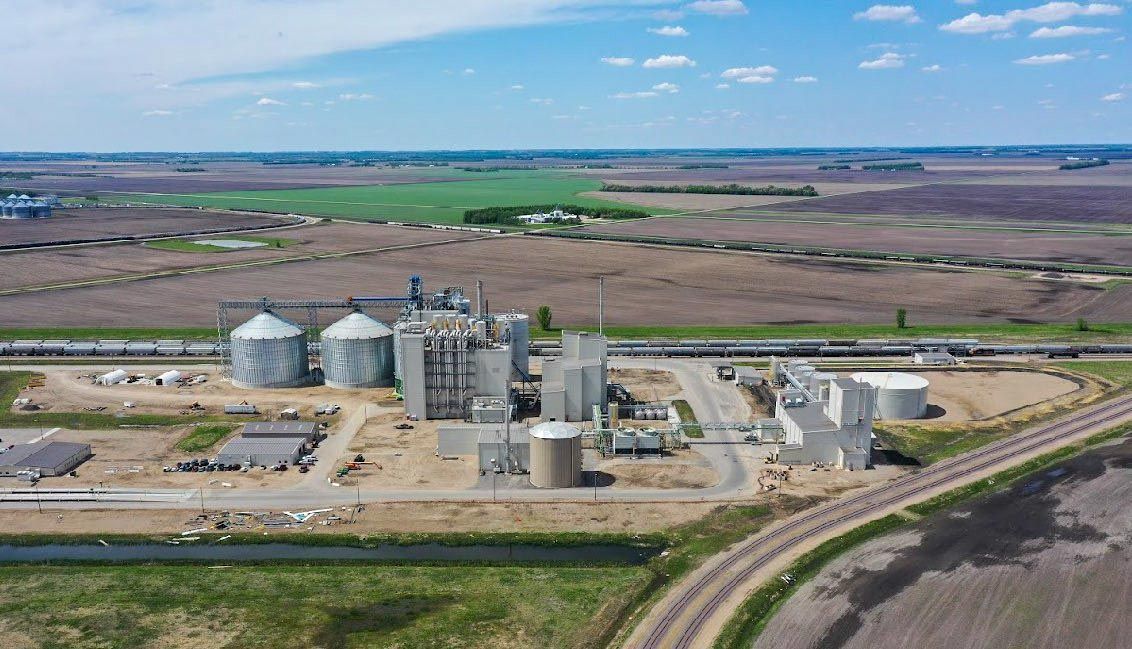
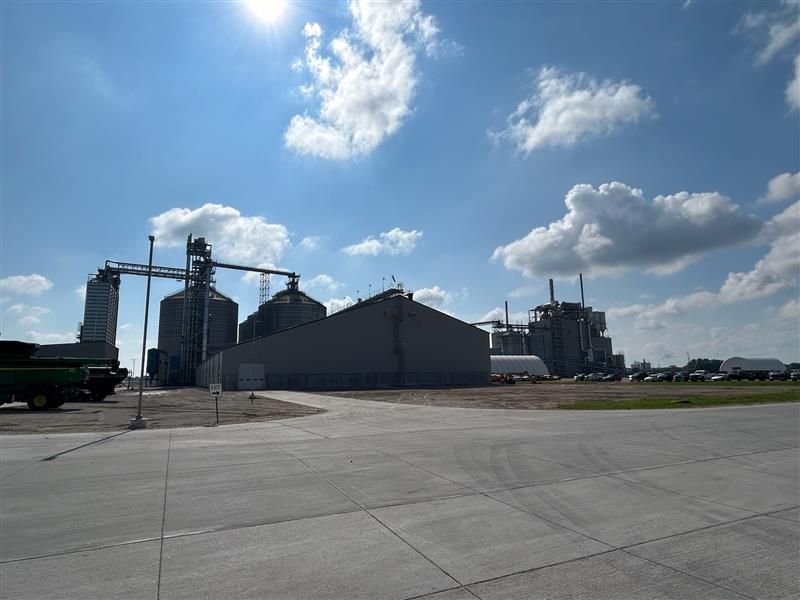
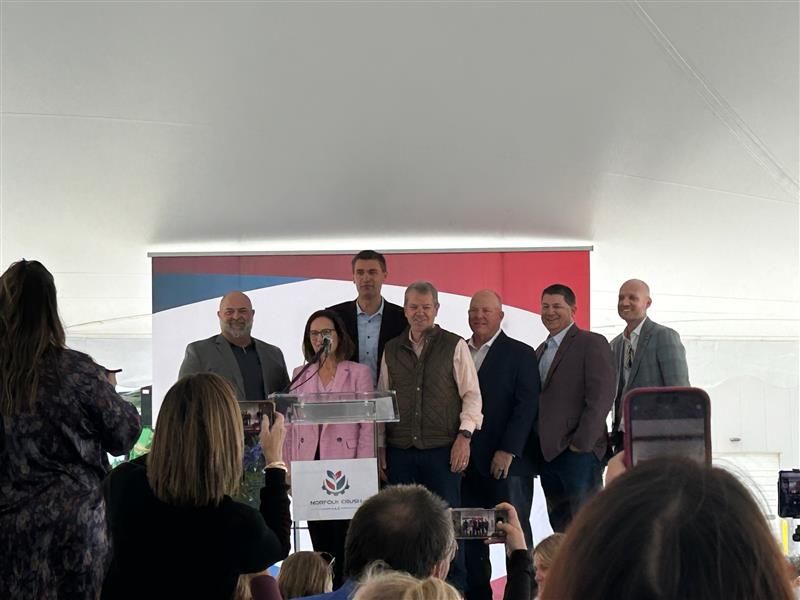
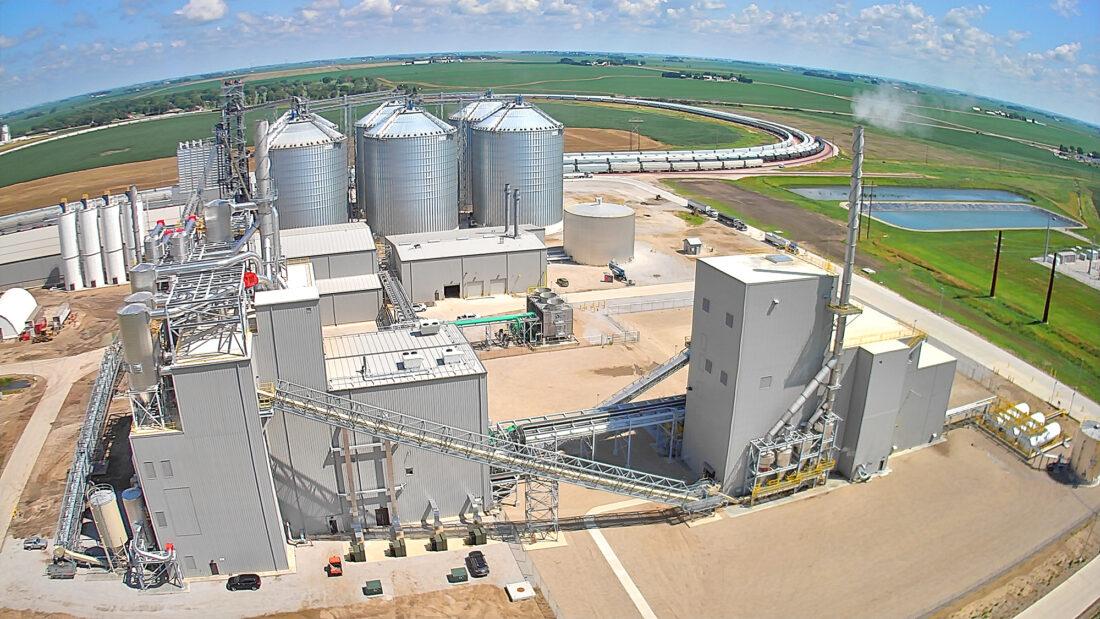
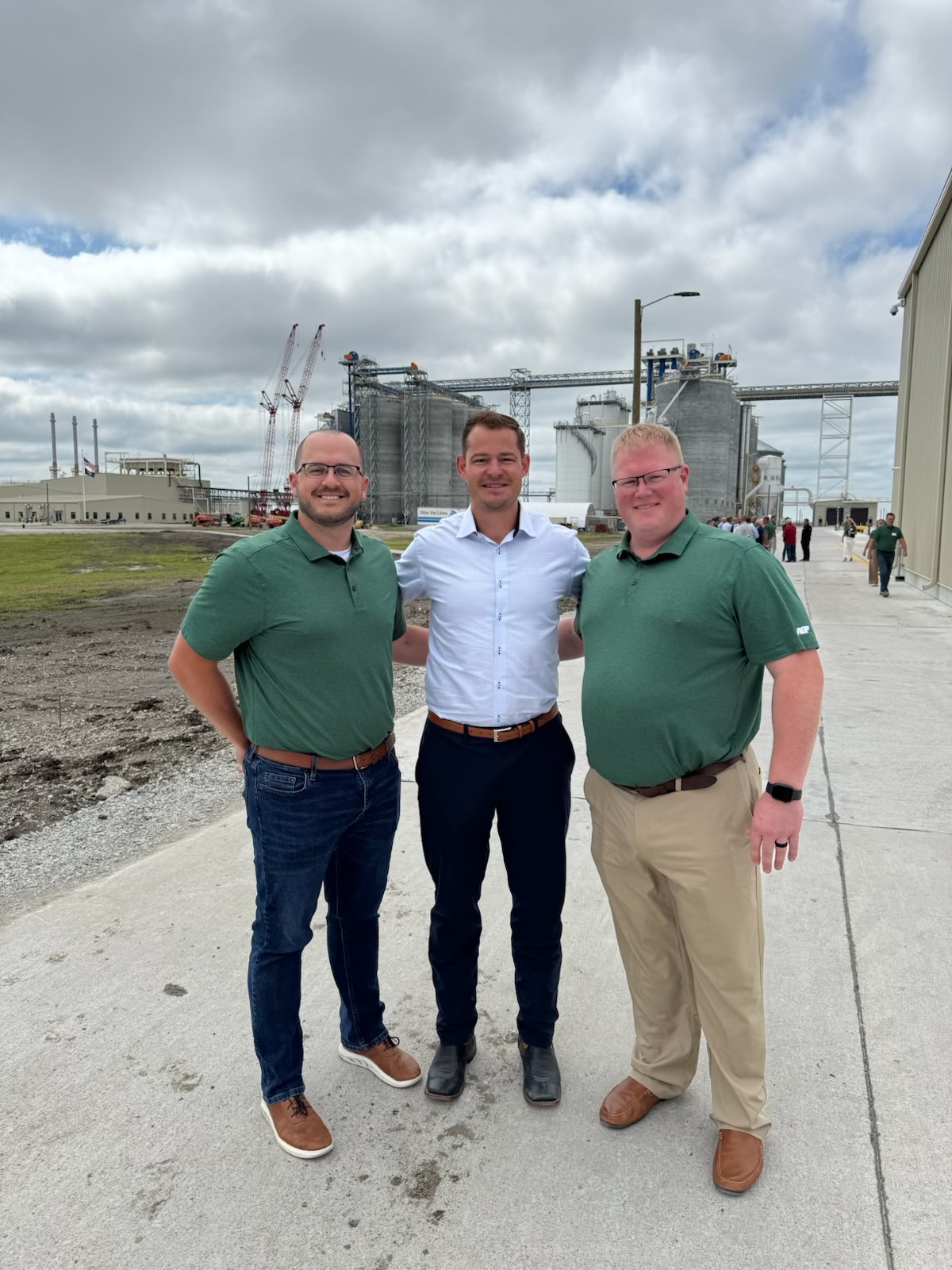
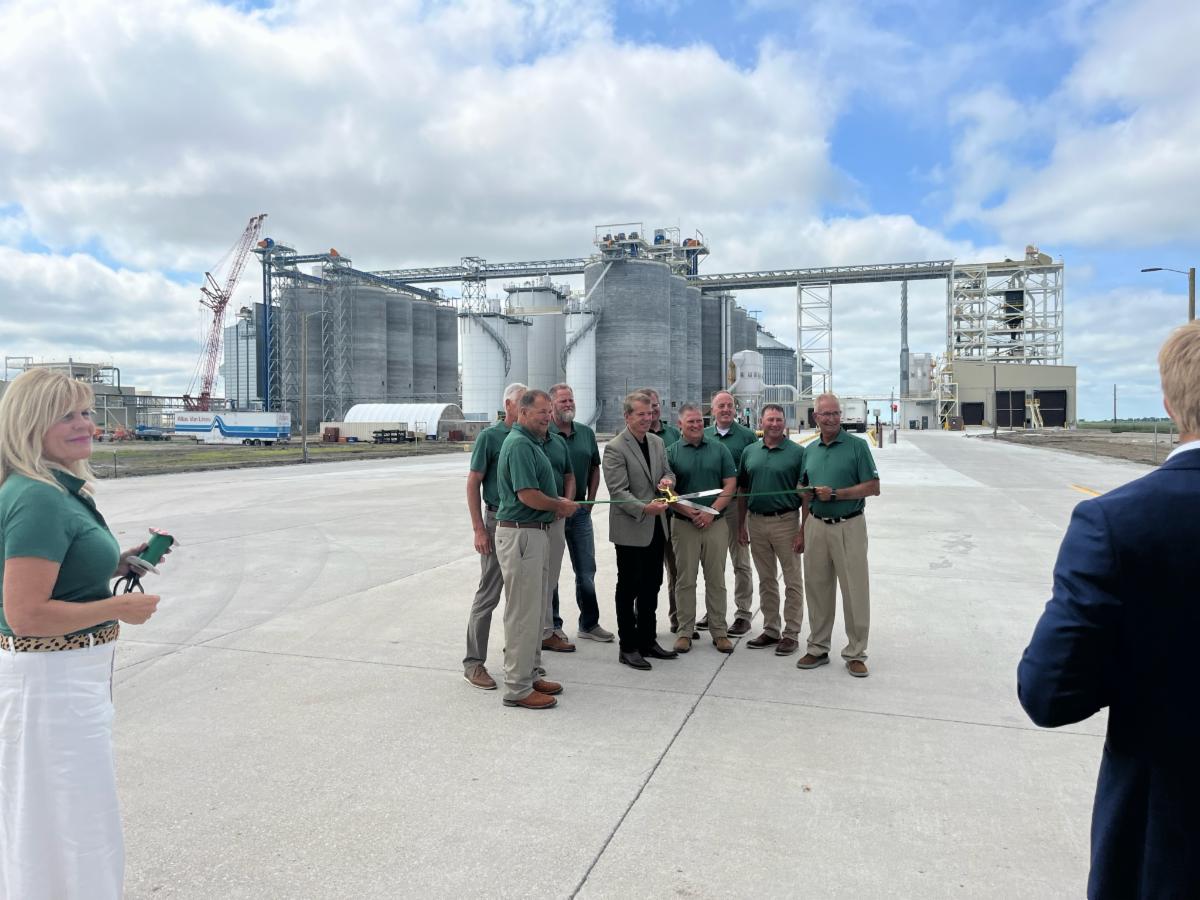
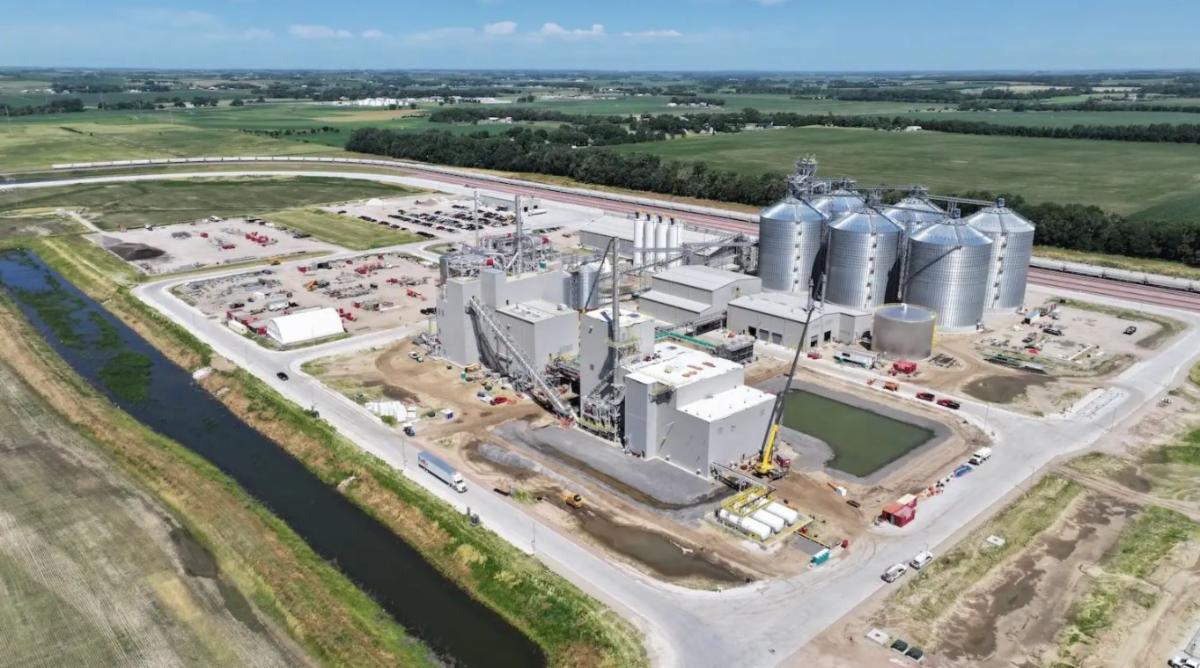
In August, on the 20th anniversary of the RFS, NOPA welcomed its 20th member, Norfolk Crush. Located in Madison County, near Norfolk, Nebraska, this facility can process 38.5 million bushels of soybeans annually, or 110,000 bushels per day, which is equivalent to over 12% of all soybeans grown in Nebraska.
|
|
For the 20th anniversary of the RFS, we submitted formal comments supporting the EPA’s proposed RFS Renewable Volume Obligation (RVO) for 2026 and 2027. In these comments, NOPA supported: Increased BBD volumes to 7.12 billion RINs in 2026 and 7.50 billion RINs in 2027, 50% Renewable Identification Number (RIN) reduction for non-U.S. feedstocks and finished fuels, the highest standard for evaluating Small Refinery Exemptions (SREs), and continued use of the 2020 RVO SRE accounting approach.
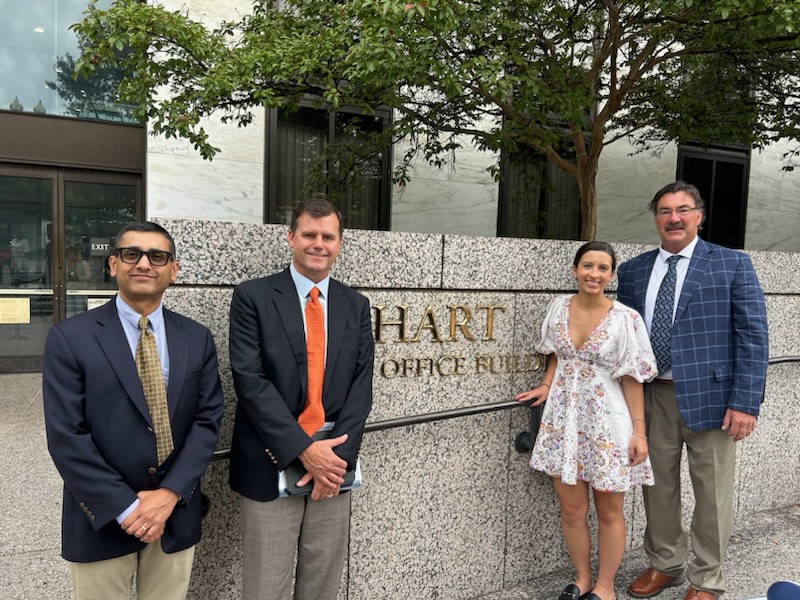
We appreciated the opportunity to attend a secure briefing to review the MAHA Commission’s Strategy document before its unveiling. NOPA underscored the importance of continued engagement with the agricultural value chain as federal and state policy considerations move forward.
NOPA engaged with EPA as the agency addressed its backlog of SRE petitions inherited from the prior Administration, advocating for greater stability and predictability in the RFS. The association urged EPA to finalize robust future RVOs that account for waived gallons, prioritize domestic feedstocks, and support continued investment in U.S. farmers, processors, and rural manufacturing.
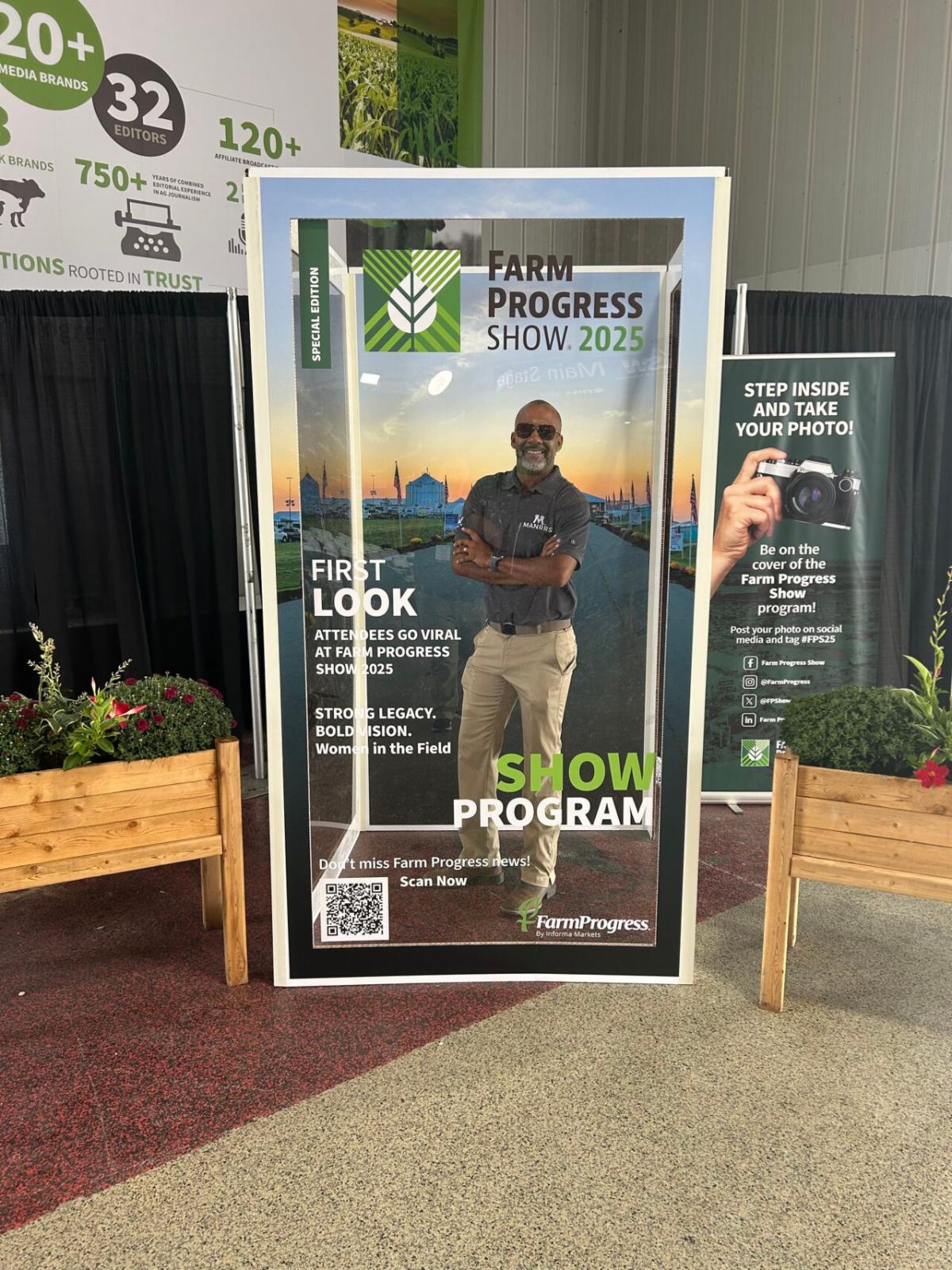
Ryan toured the Midwest, attending the Farm Progress Show in Illinois and the Nebraska State Fair. He met with members, stakeholders, and policymakers—including Senator Pete Ricketts, EPA Administrator Lee Zeldin, and Senate Majority Whip John Barrasso—to discuss biofuels policy, the MAHA initiative, and the importance of supporting domestic feedstock demand, reinforcing NOPA’s commitment to advancing policies that benefit farmers, processors, and rural communities.
|
|
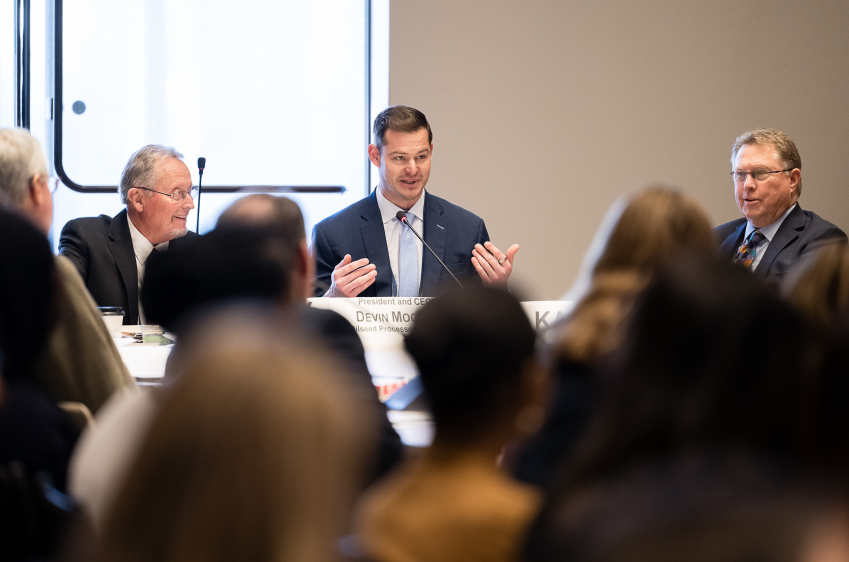
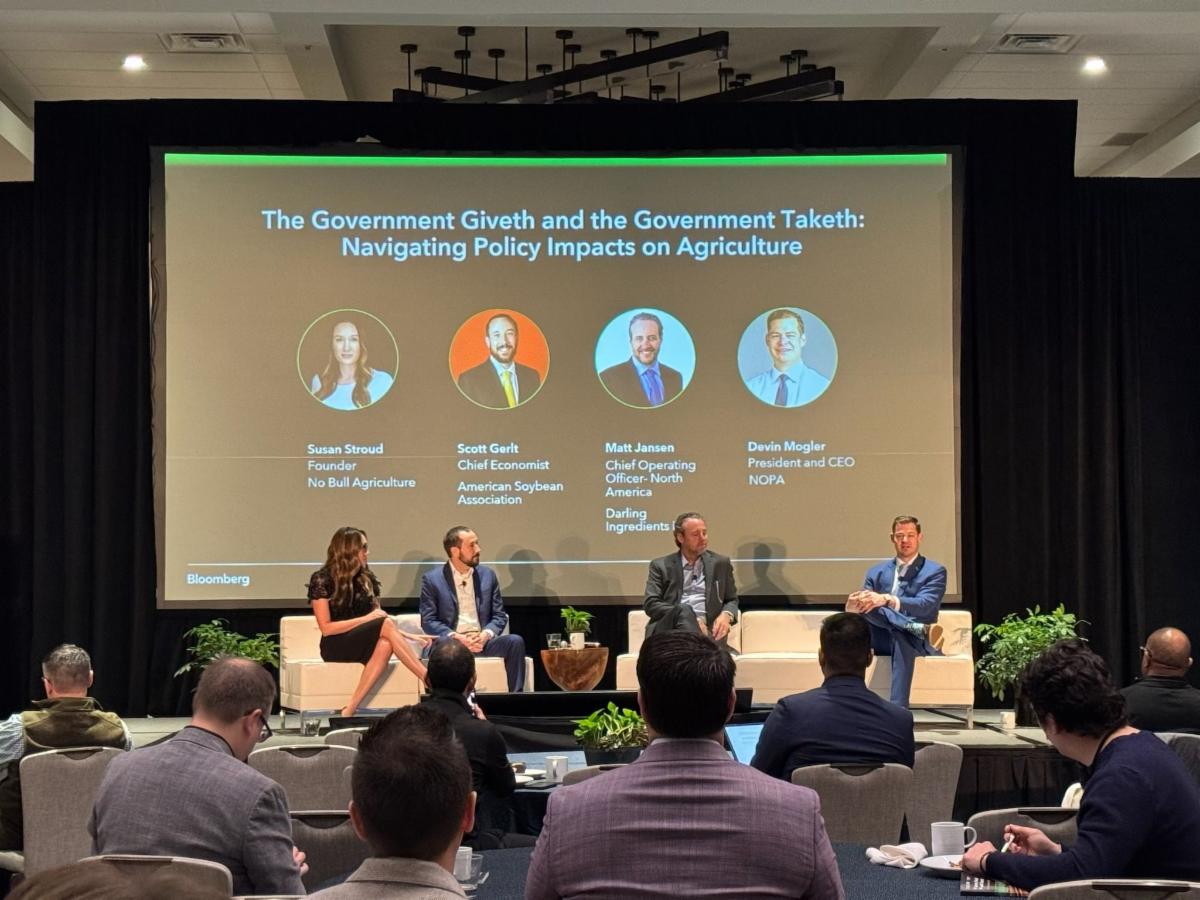
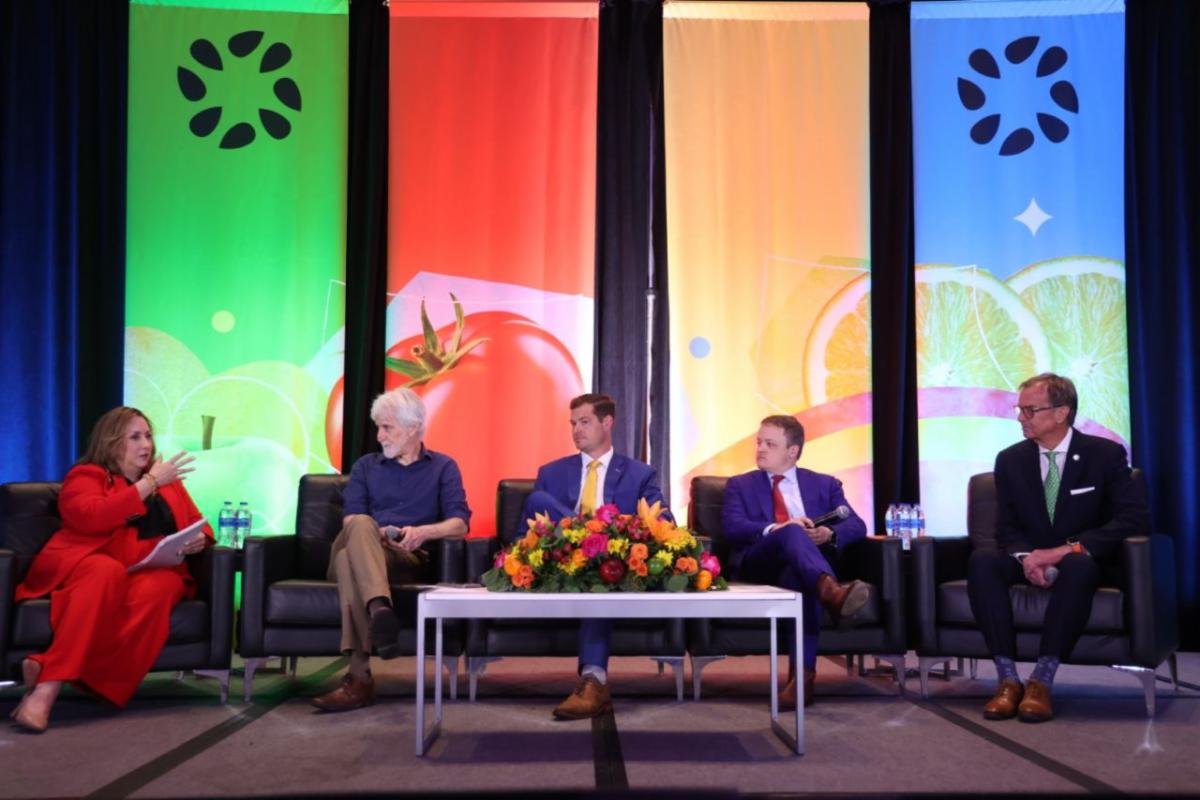
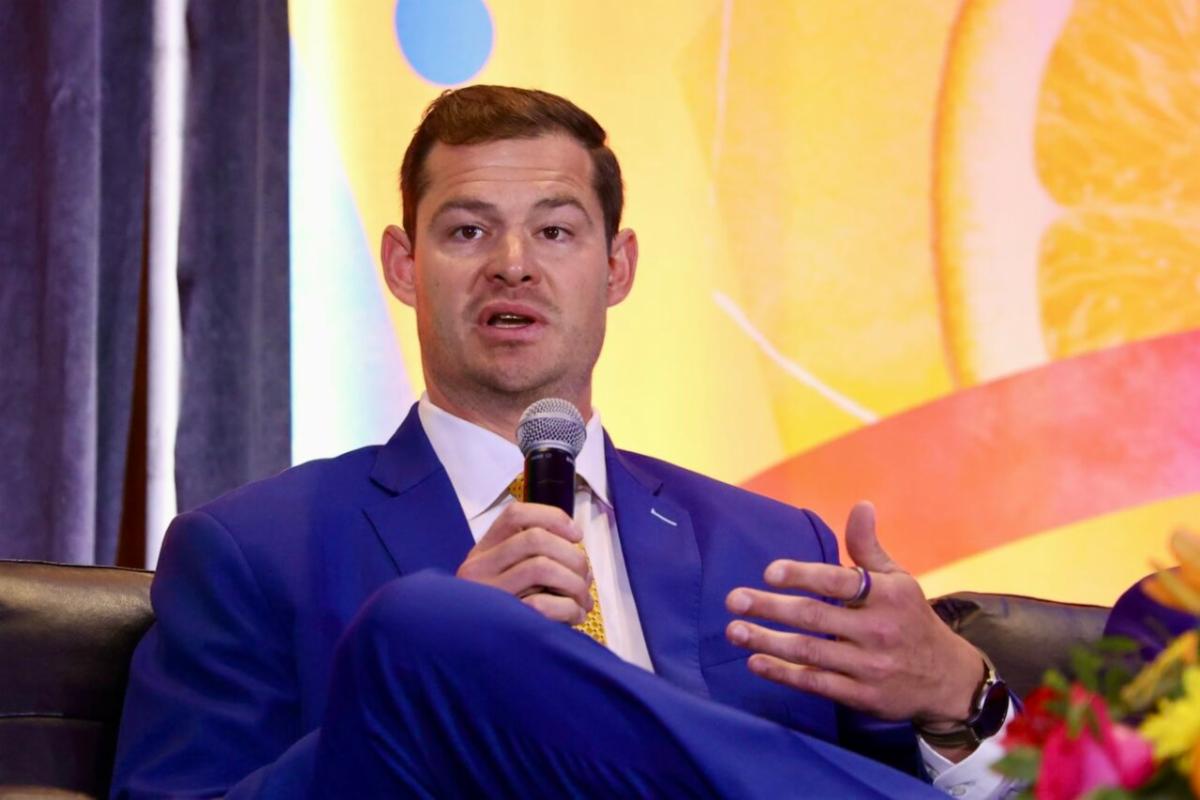
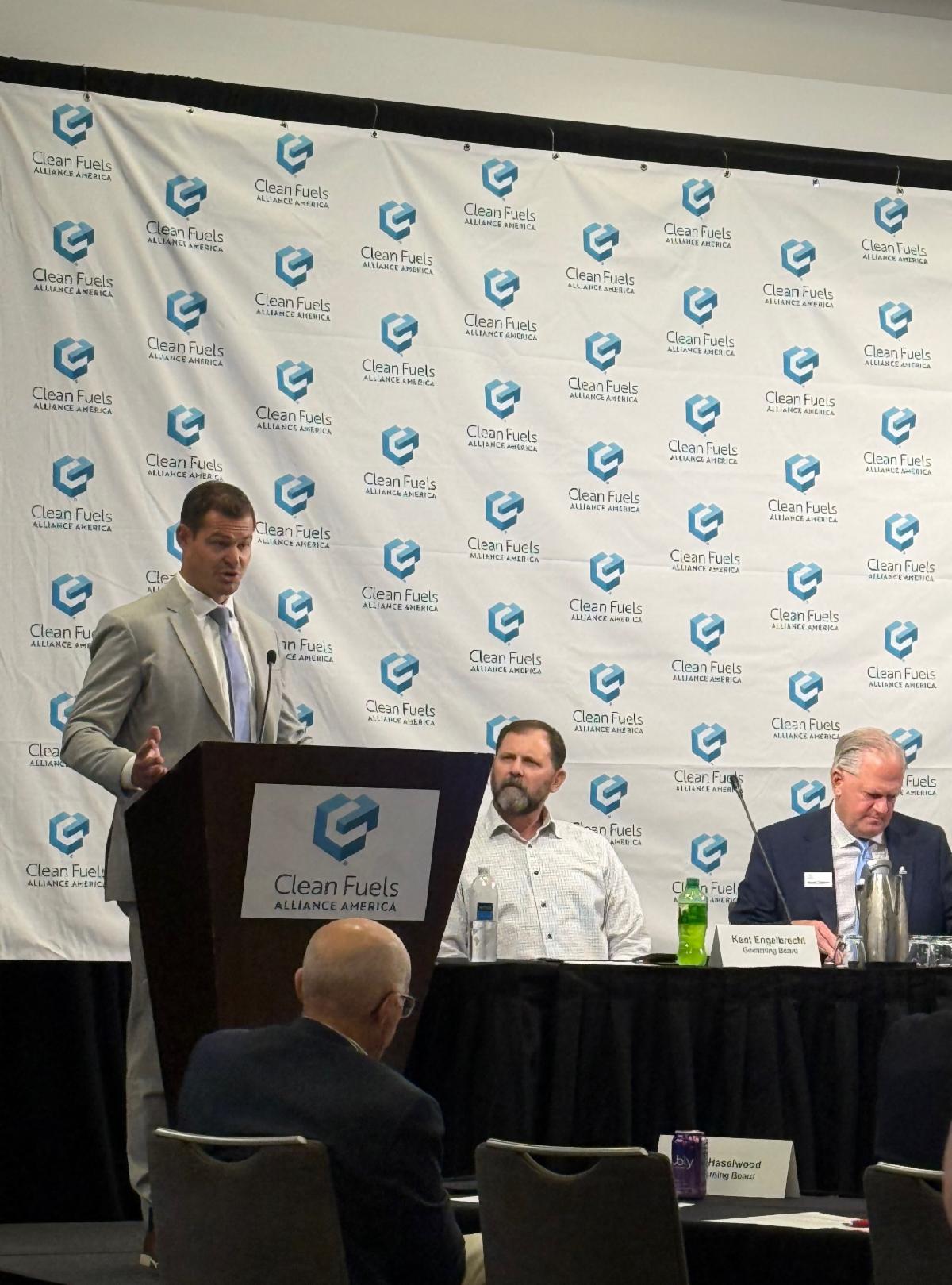
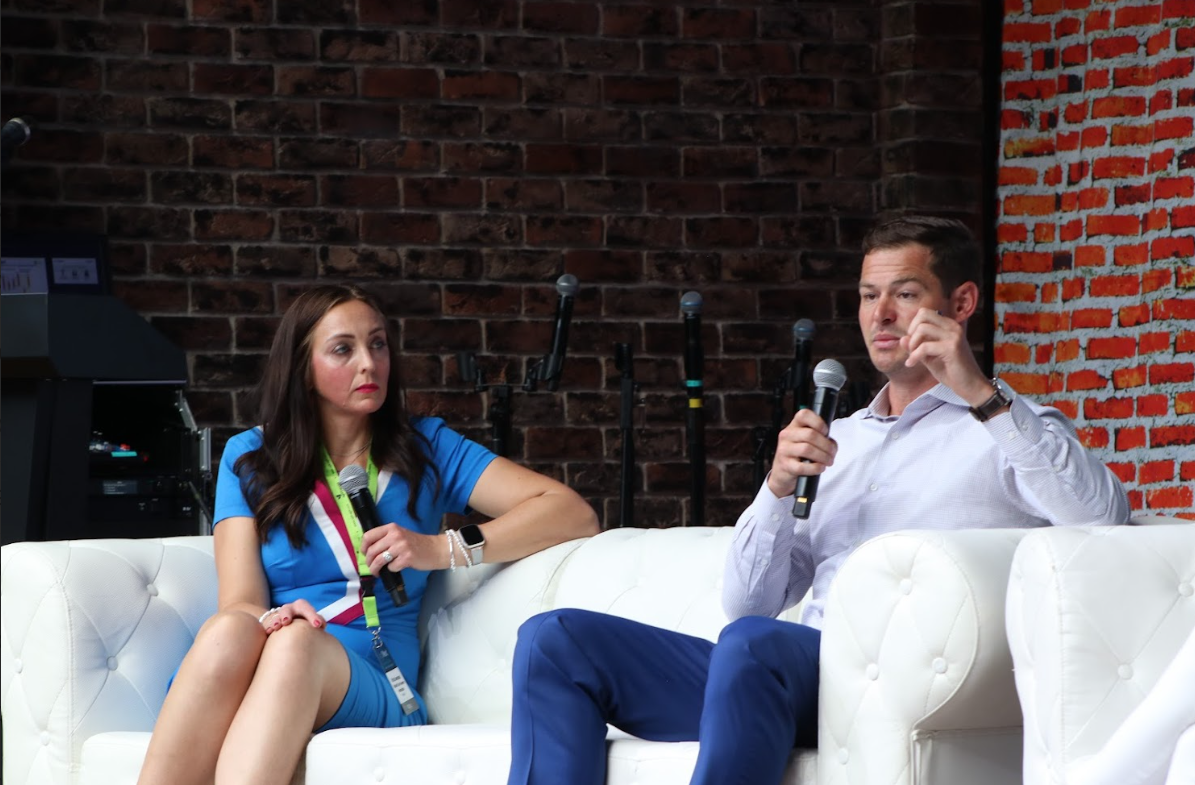
Devin spoke on multiple panels at the AgriNext conference in St. Louis, highlighting the importance of robust biofuel policy, science-based MAHA recommendations, and recent policy wins that reflect growing U.S. soy crush capacity and support long-term investment in American agriculture and energy independence.
|
|
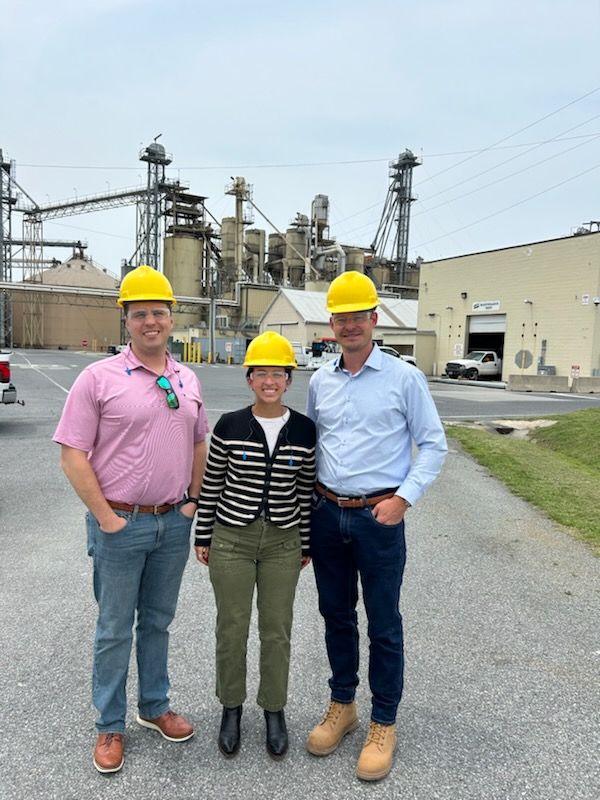
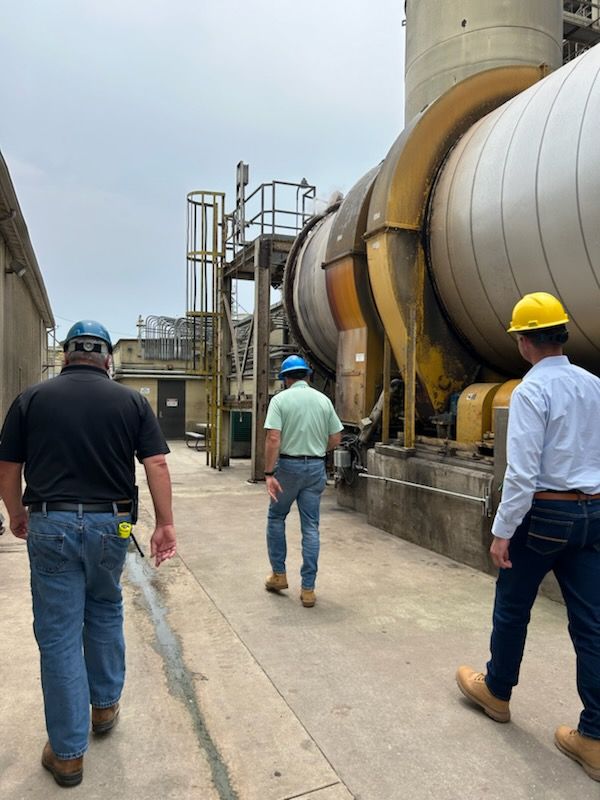
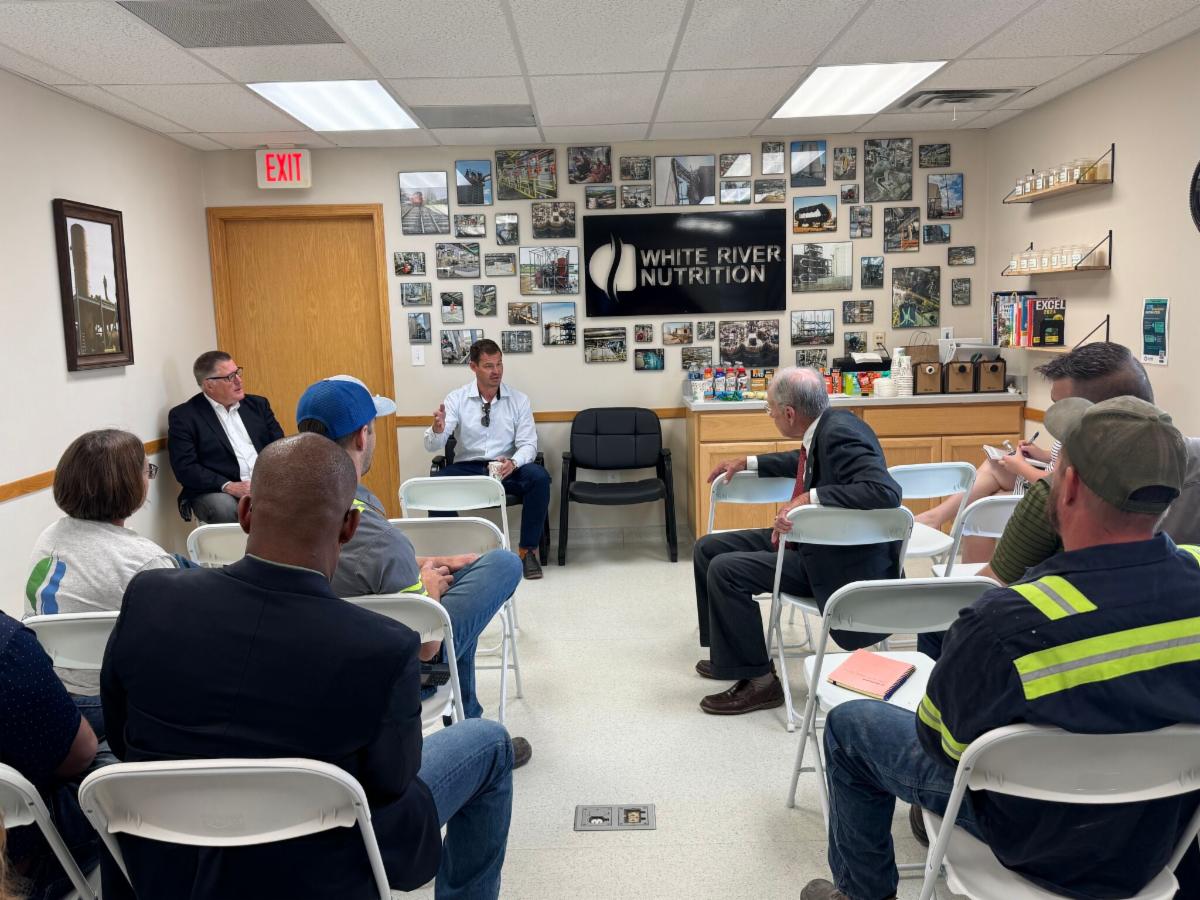
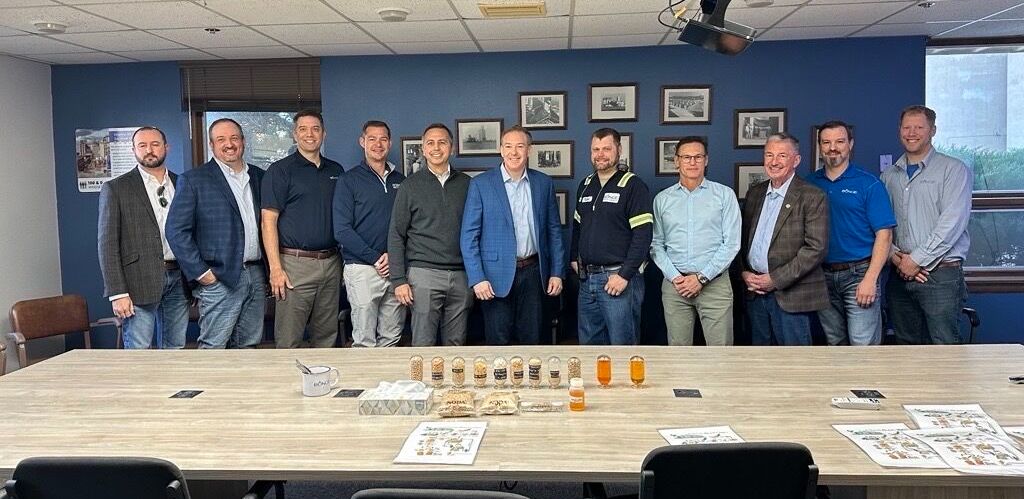
Finally, NOPA member company White River Nutrition had the honor of hosting Iowa Senator Chuck Grassley at their facility in Creston, Iowa. We thank Senator Grassley for his ongoing leadership in championing agriculture and rural manufacturing in Iowa and in D.C.
|
|
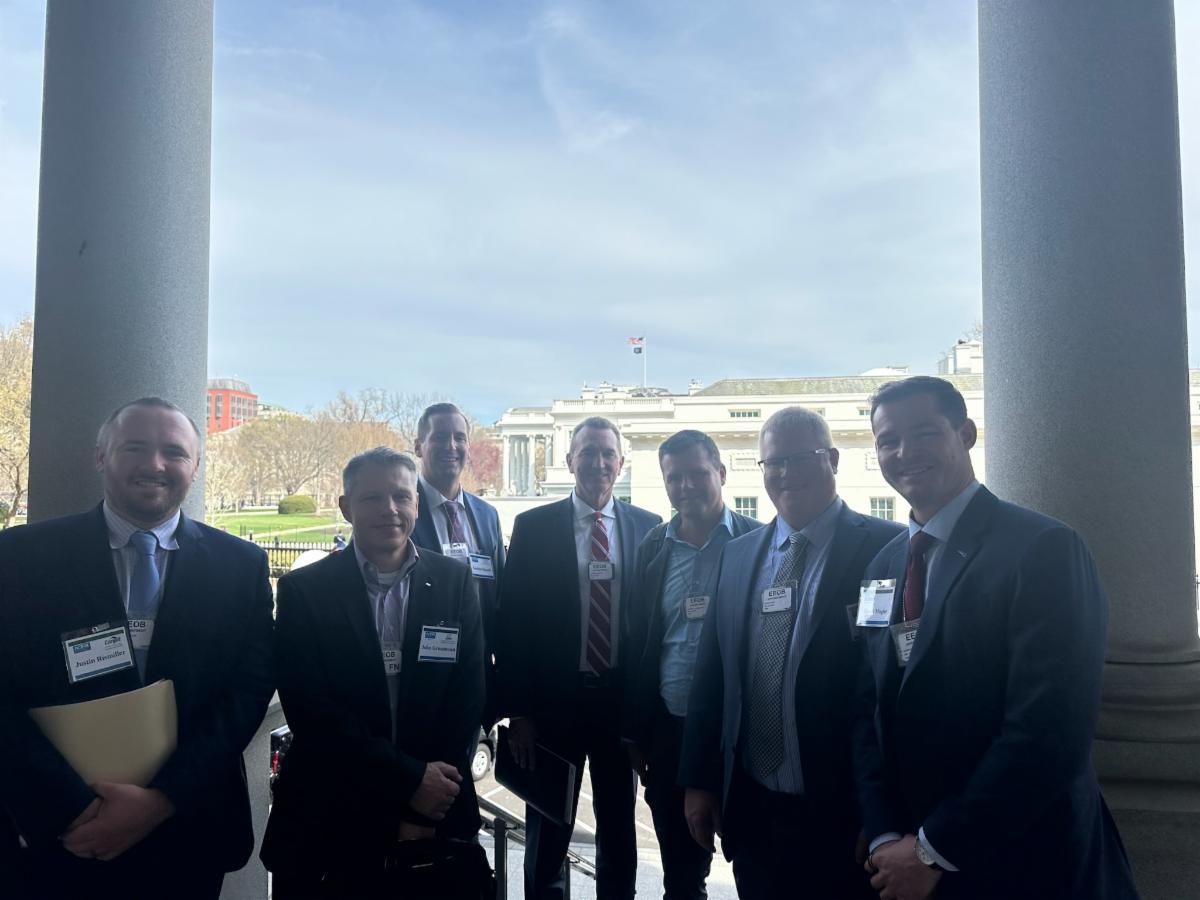
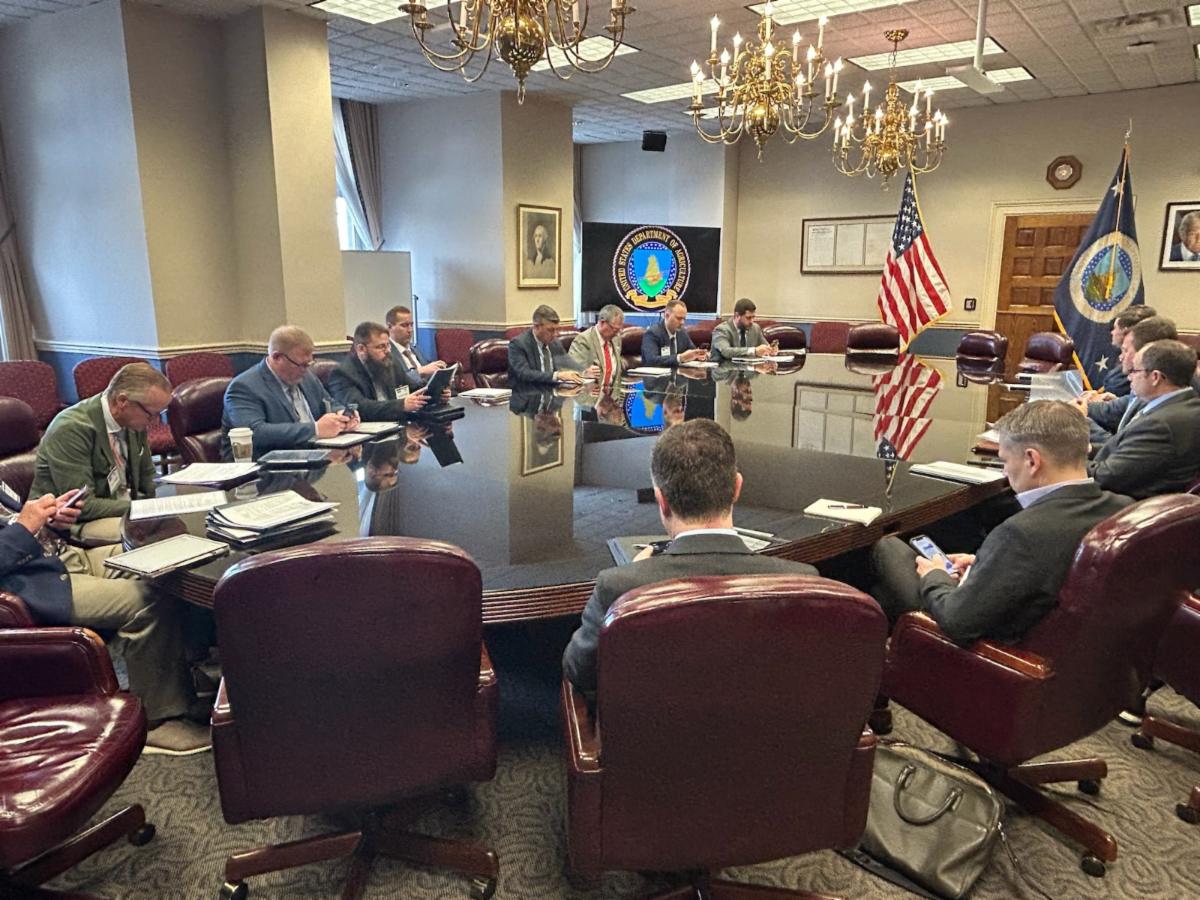
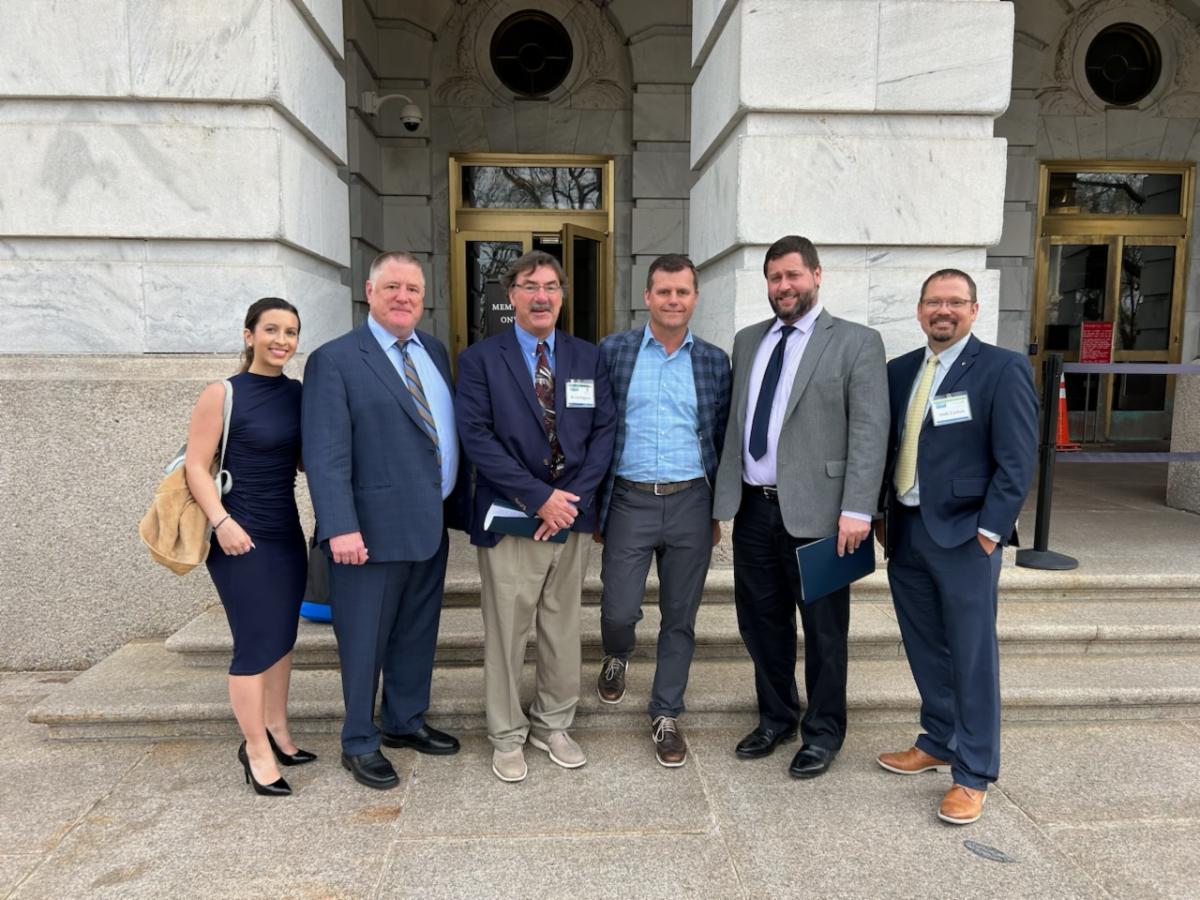
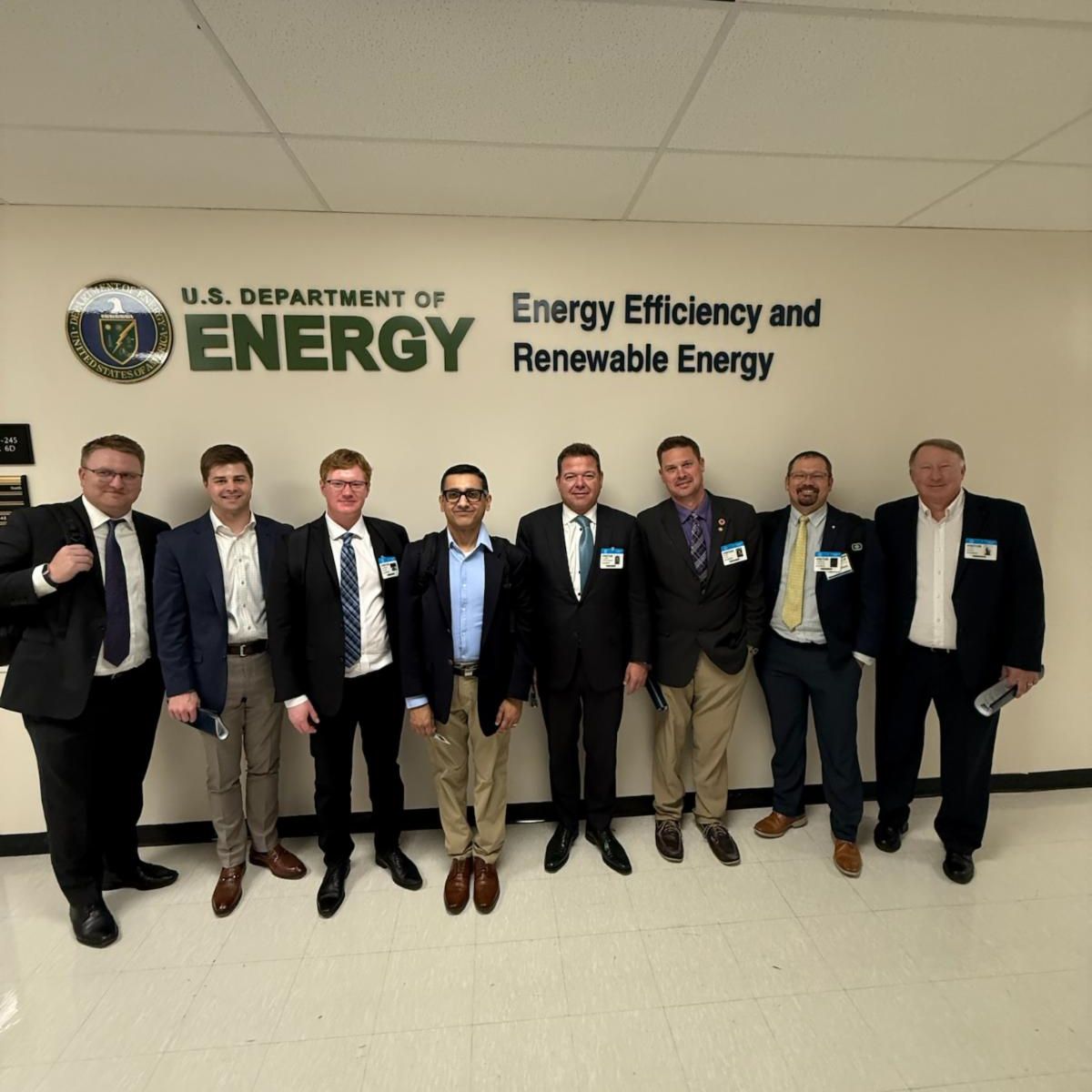
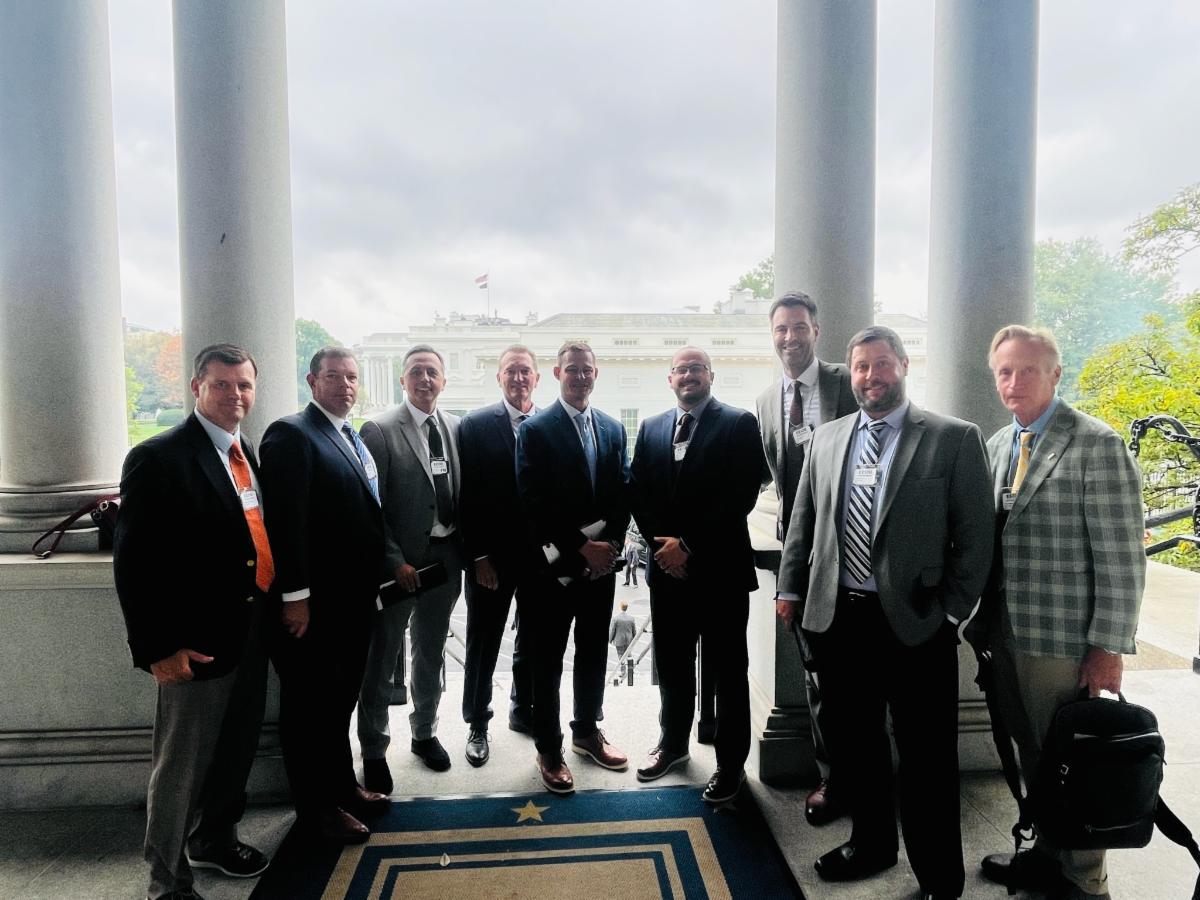
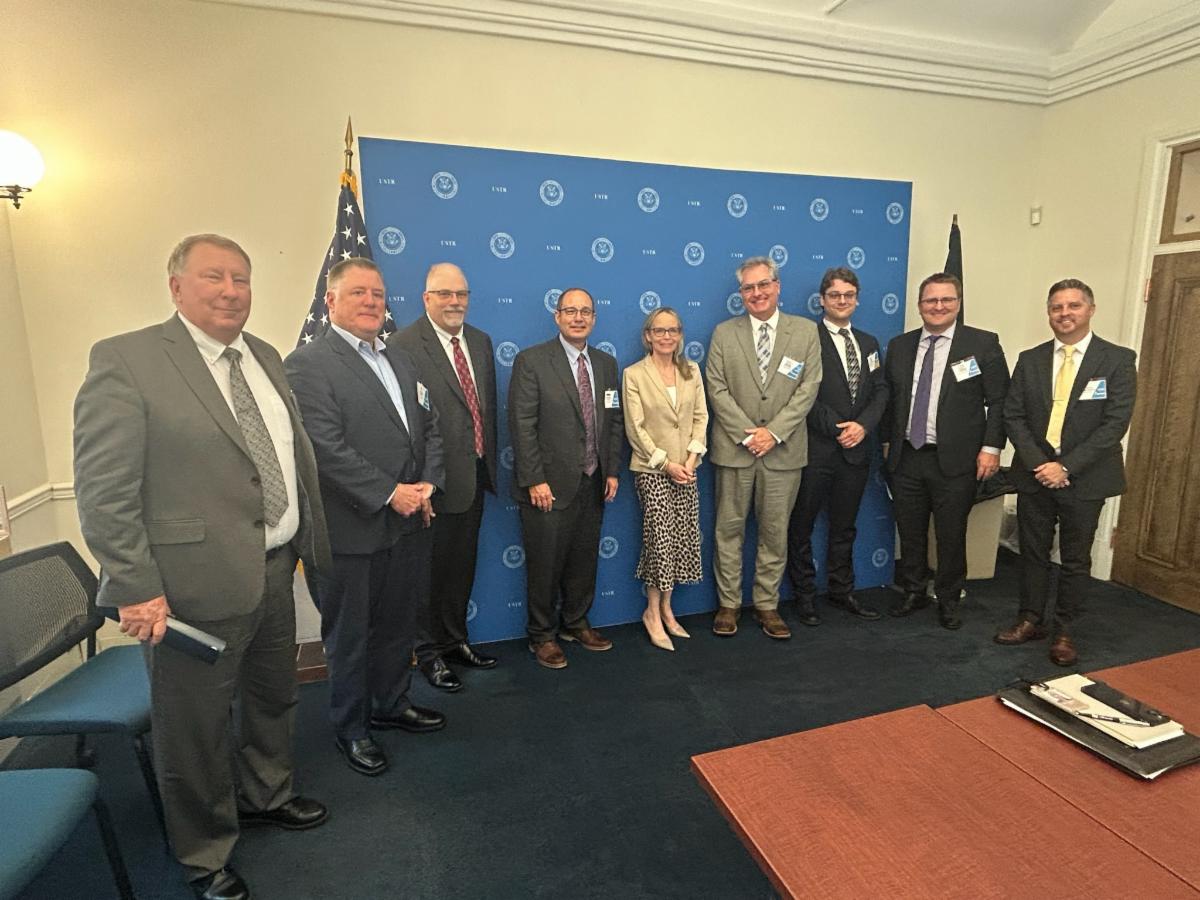
Our September Board Meeting gave our member companies another opportunity to meet in Washington, D.C. While in our nation’s capital, members participated in fly-In meetings with the Office of the United States Trade Representative (USTR), Treasury Department, EPA, White House, and Senate & House offices. Participating in these meetings allowed members to reinforce priorities to promote market certainty through timely RVO rulemaking, ensure nutrition and labeling policies remain grounded in sound science, and advance trade policies that strengthen U.S. competitiveness and expand demand for U.S. soybean products.
|
|
The MAHA Commission released its Strategy Report consistent with the broad scientific consensus that our food system remains safe. While this report represented a step in the right direction, NOPA will remain vigilant in addressing policies and public statements that stoke fear based on misinformation rather than sound science.
EPA released its supplemental RFS proposal for addressing SREs. NOPA urged the agency to finalize the 2026–2027 RVOs, including the import-RIN discount, to provide market certainty for farmers and processors.
NOPA submitted comments to the FDA as it reviewed infant formula nutrient requirements for the first time in more than two decades, urging the agency to ground any updates in rigorous, evidence-based science. NOPA emphasized that vegetable oils are the most effective and bioavailable sources of essential fatty acids for infant development and called for U.S. regulations to align with global best practices, including CODEX and EFSA.
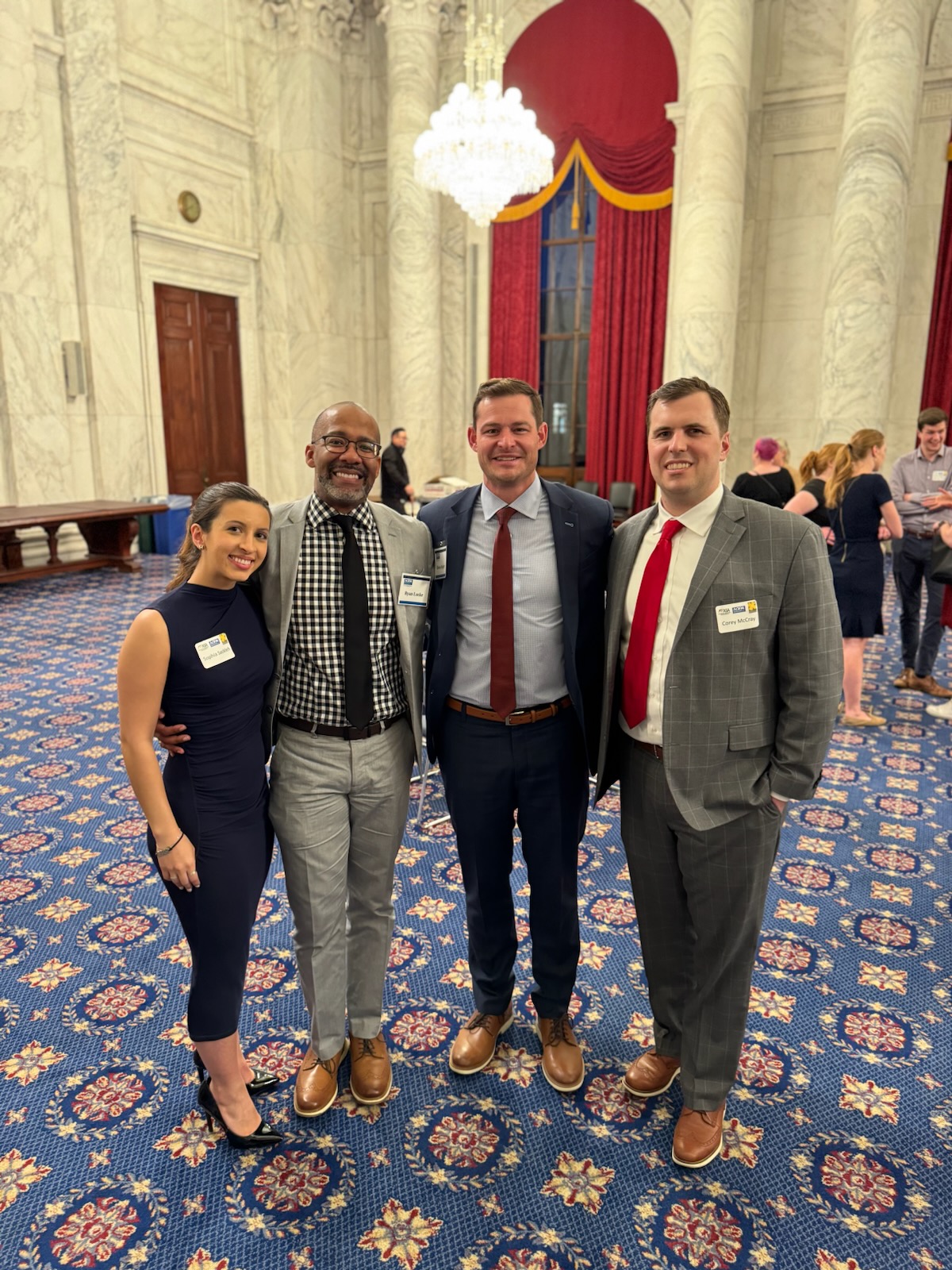
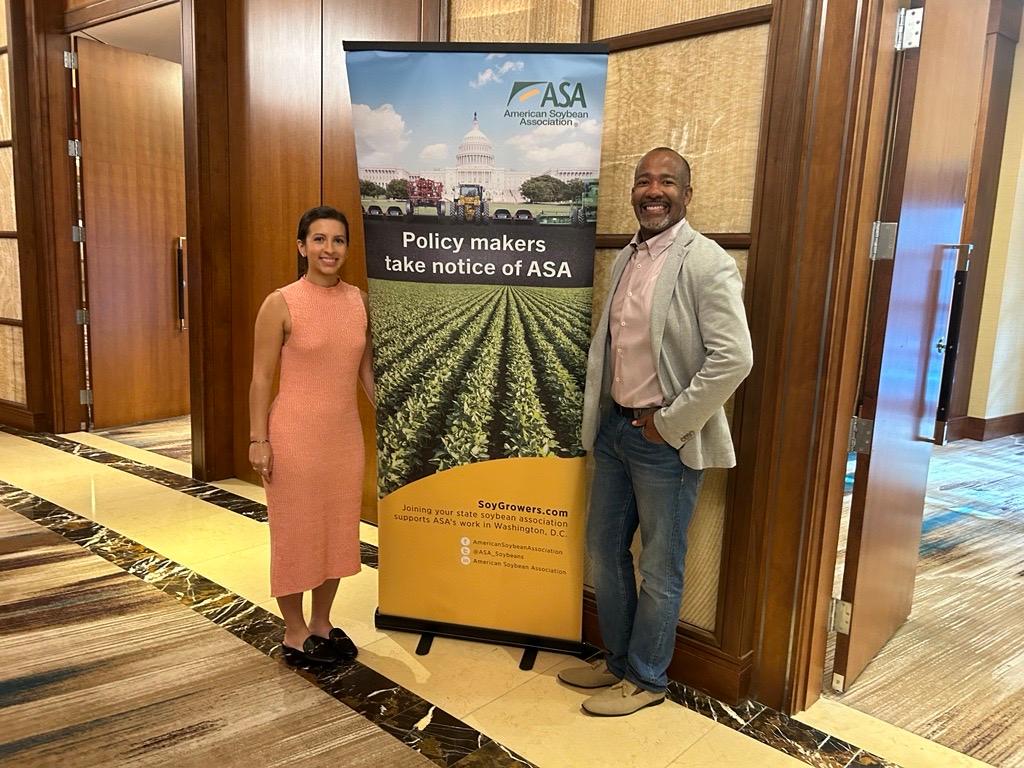
Ryan and Corey traveled to Kentucky to participate in the ASA Action Partnership Meeting, engaging industry partners on opportunities in the soybean oil market, the importance of strong biofuels policy, and the need for science-based health policy to support U.S. agriculture, energy dominance, and food security.
|
|
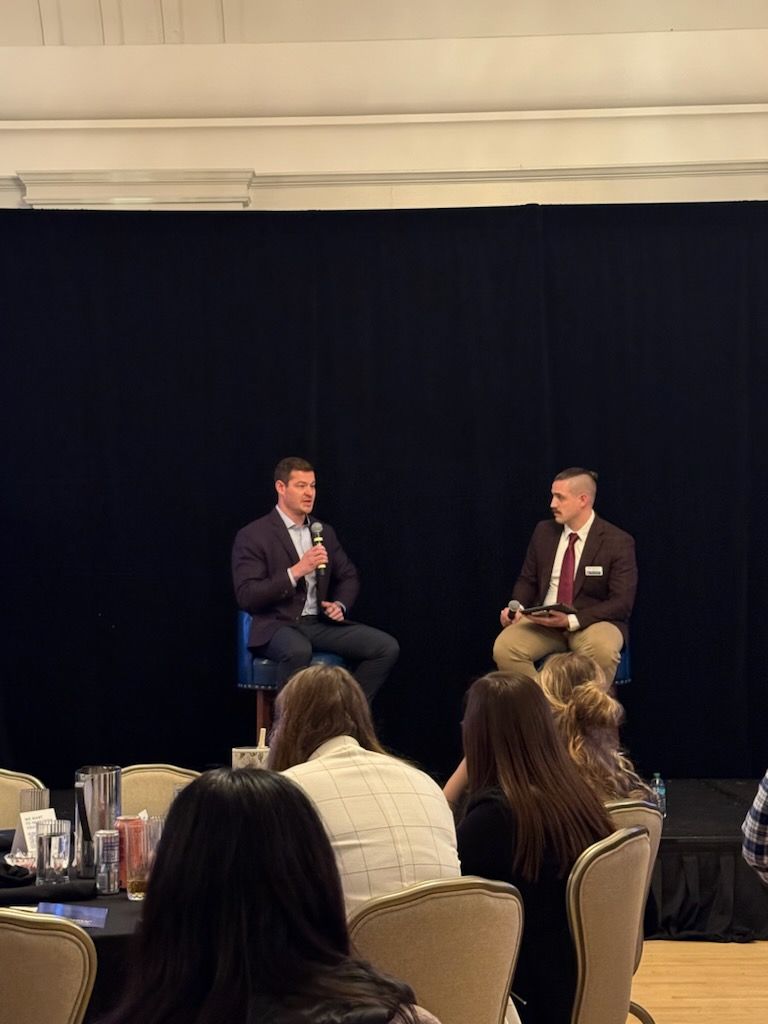
Devin spoke at Minnesota AgriGrowth’s annual meeting, where he emphasized the importance of science-based health policy and clear communication of agricultural nutrition amid discussions on the MAHA movement.
|
|
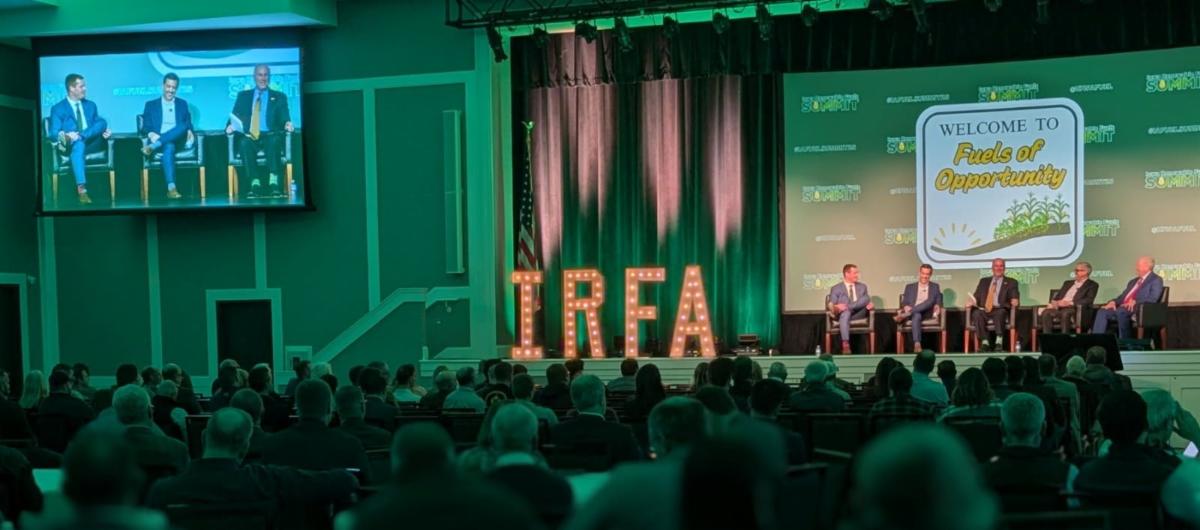
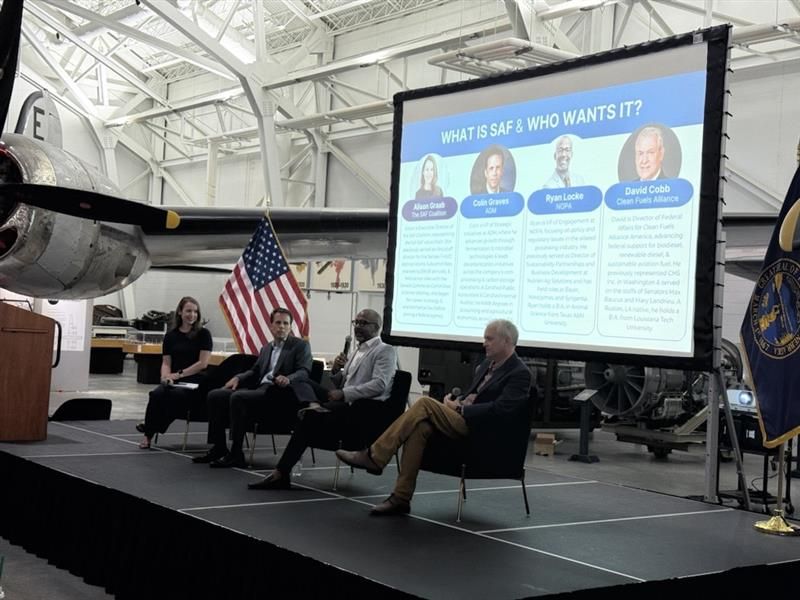
Ryan spoke at the Sustainable Aviation Fuels Conference hosted by Renewable Fuels Nebraska, participating in a panel on the role of SBO in Sustainable Aviation Fuel (SAF), market dynamics, and building a durable industry that supports U.S. farmers and rural communities. NOPA also highlighted its support for the Sustainable Aviation Fuel Information Act, underscoring the importance of data-driven policy to encourage investment and long-term growth in SAF.
|
|
NOPA submitted comments to the Food and Drug Administration (FDA) and USDA in response to their joint request for information on defining “ultra-processed foods” (UPFs). NOPA urged the agencies to ensure that any definition of UPFs reflects sound nutrition science and focuses on the nutritional quality of foods, rather than on processing alone. The association cautioned that classification systems based primarily on processing—such as the NOVA framework—can misrepresent the nutritional quality of many foods and confuse consumers.
NOPA submitted a single-page comments urging EPA to quickly finalize 2026-2027 RVOs. This comment emphasizes that the time for further deliberation has passed and that swift action is urgently needed to provide market certainty for America’s farmers, oilseed processors, and renewable fuel producers.
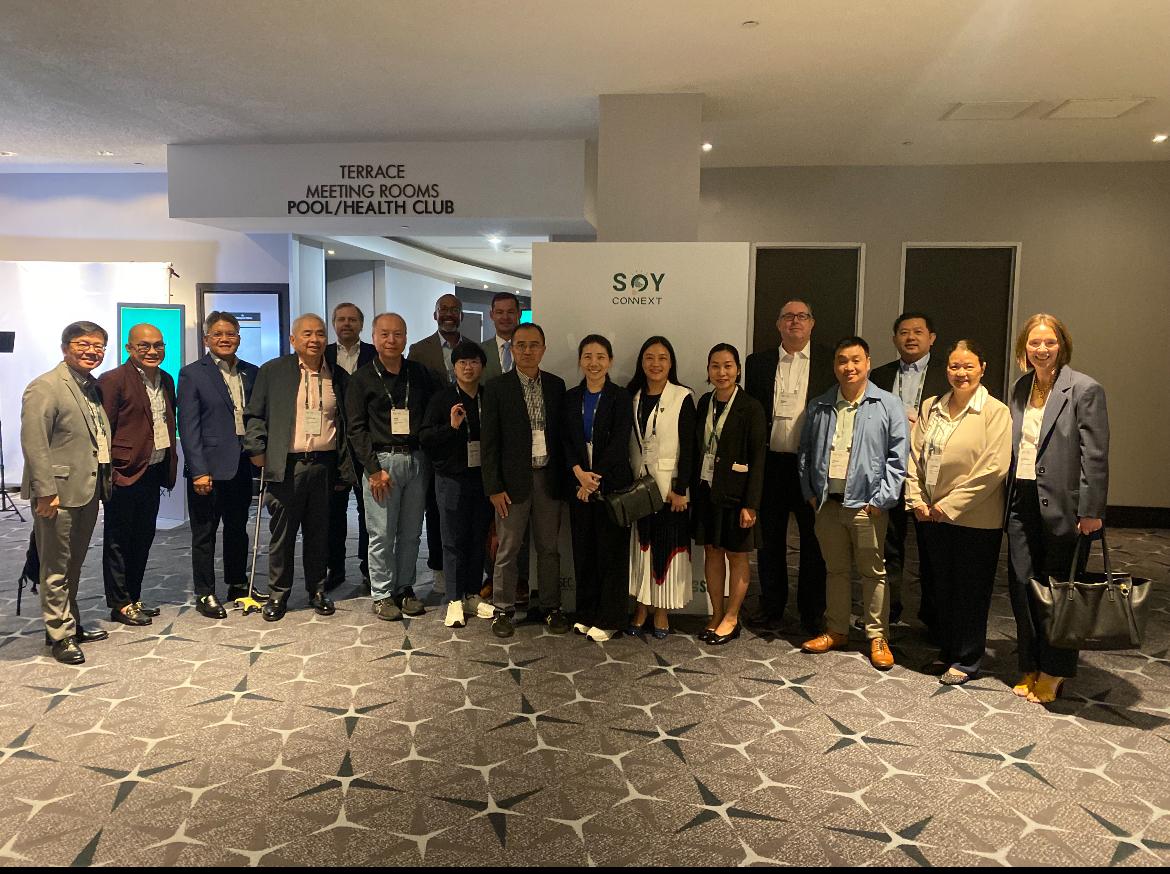
Devin and Ryan attended the U.S. Soybean Export Council’s (USSEC) Soy Connext forum, engaging with leaders across the soy value chain to discuss expanding global markets for soybean meal. During the forum, they met with meal sourcing partners from seven Southeast Asian countries to better understand buying preferences and highlight the benefits of U.S. processed soybean meal. They also showcased how $6 billion in new investments have expanded U.S. crushing capacity, supporting American farmers and strengthening competitiveness in food, feed, and biofuel markets.
|
|
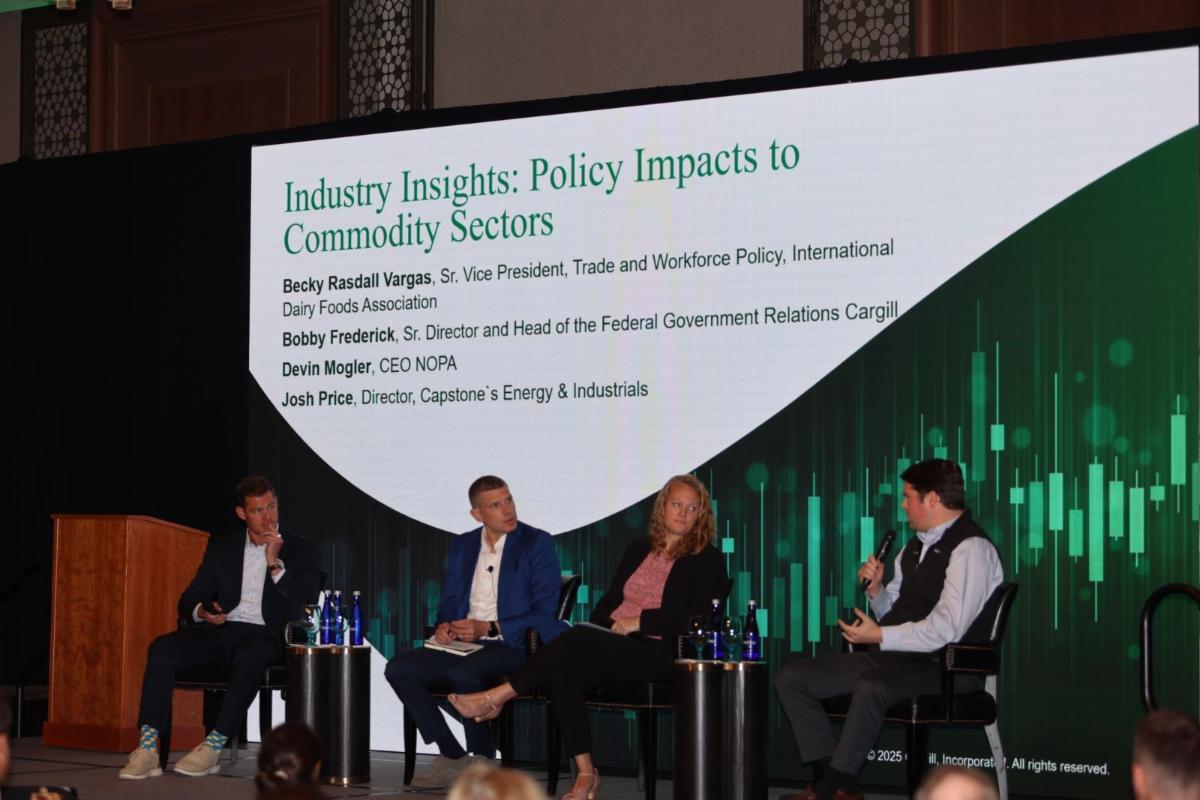
Devin participated in Cargill’s Risk Management Summit, discussing key biofuels policies, including timely finalization of RVOs, substantial BBD volumes, complete reallocation of SREs, and the 45Z tax credit. He also addressed emerging issues, including the MAHA movement, UPF definitions, state labeling laws, and the Dietary Guidelines for Americans (DGAs), highlighting NOPA’s efforts to position U.S. soybean oil as the preferred feedstock for BBD.
|
|
Ryan and Sophia attended the ASA State Staff Meeting in St. Charles, Missouri, where they shared insights on the MAHA movement and its impact on soy’s role in health, nutrition, and sustainability. The meeting featured discussions on boosting domestic and global soy demand, promoting soy’s health benefits, defending U.S. feedstocks, and delivering value to farmers, processors, and consumers.
|
|
NOPA launches X account, Nopa_Oilseed.
|
|
November started with EPA’s decision on SREs. NOPA thanked EPA for returning retired RINs for SRE petitions prior to 2023 and continues to urge EPA to ensure all active RINs are reallocated into RVOs moving forward.
During the month, NOPA elevated evidence-based discussions around nutrition and public health through thought leadership featured in ASA’s American Soybean Fall 2025 magazine. Written by Sophia, the article highlighted the well-established role of vegetable oils and unsaturated fats in supporting heart health and reducing cardiovascular risk when used in place of saturated fats—reinforcing decades of nutritional science. Read here.
Additionally, a joint letter from NOPA and ASA was sent to President Donald J. Trump, urging the administration to finalize key biofuel policies that strengthen domestic energy production, promote the use of U.S.-grown soybean oil, and ensure that federal programs prioritize American feedstocks over imports.
|
|
November ended with EPA Administrator Lee Zeldin visiting the Bunge facility in Emporia, Kansas. This provided a great opportunity to emphasize the importance of soybean processing facilities on both ends of the supply chain, from farmers to fuel producers.
|
|
We closed out the year by adding another member to the NOPA team, Stephanie Johnson as Director of Regulatory Affairs. Stephanie most recently served as Director of State Energy and Regulatory Policy at the Edison Electric Institute (EEI), bringing more than 15 years of experience in energy policy, regulatory affairs, and legislative strategy at both the national and state levels.
|
|
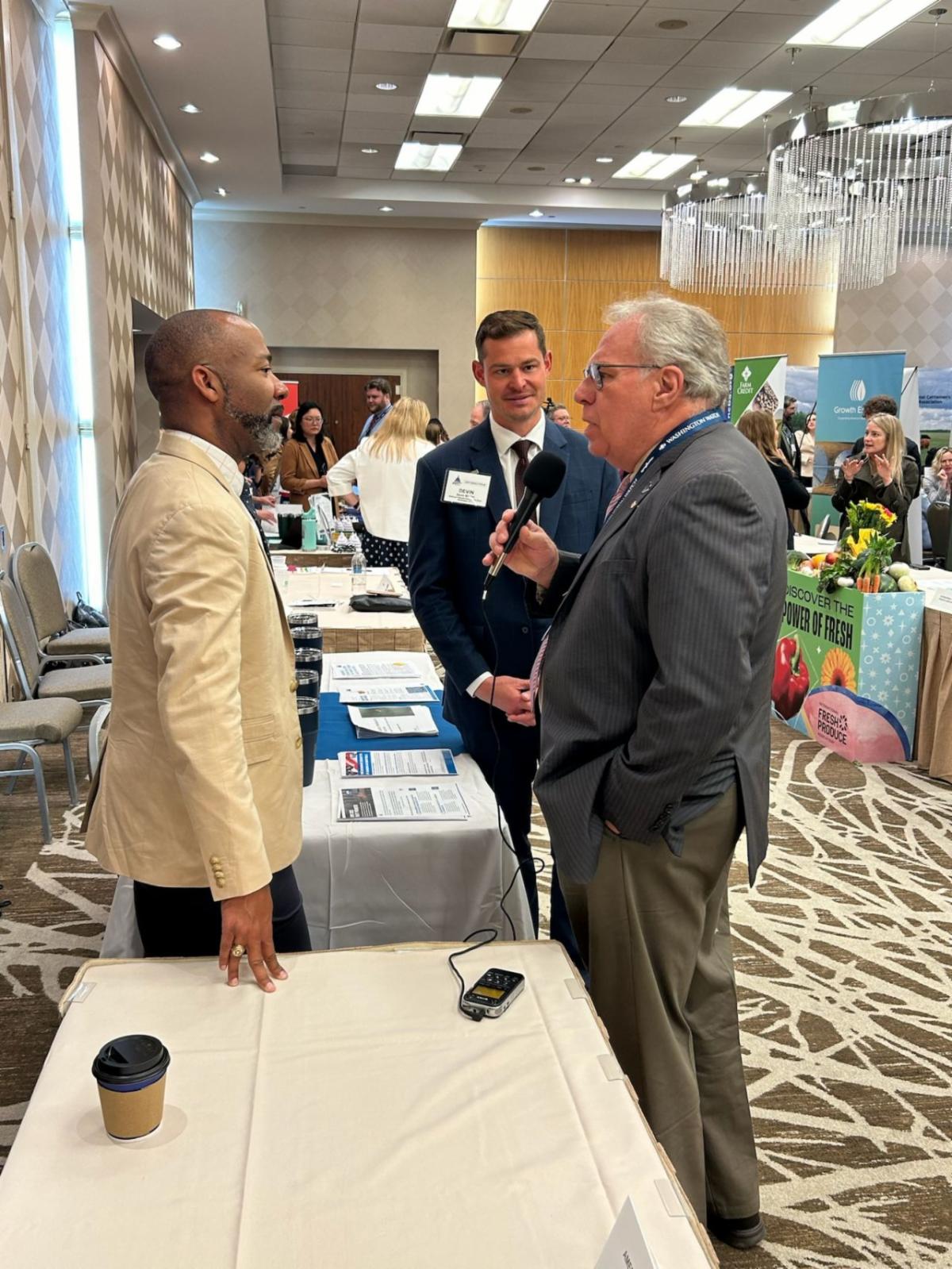
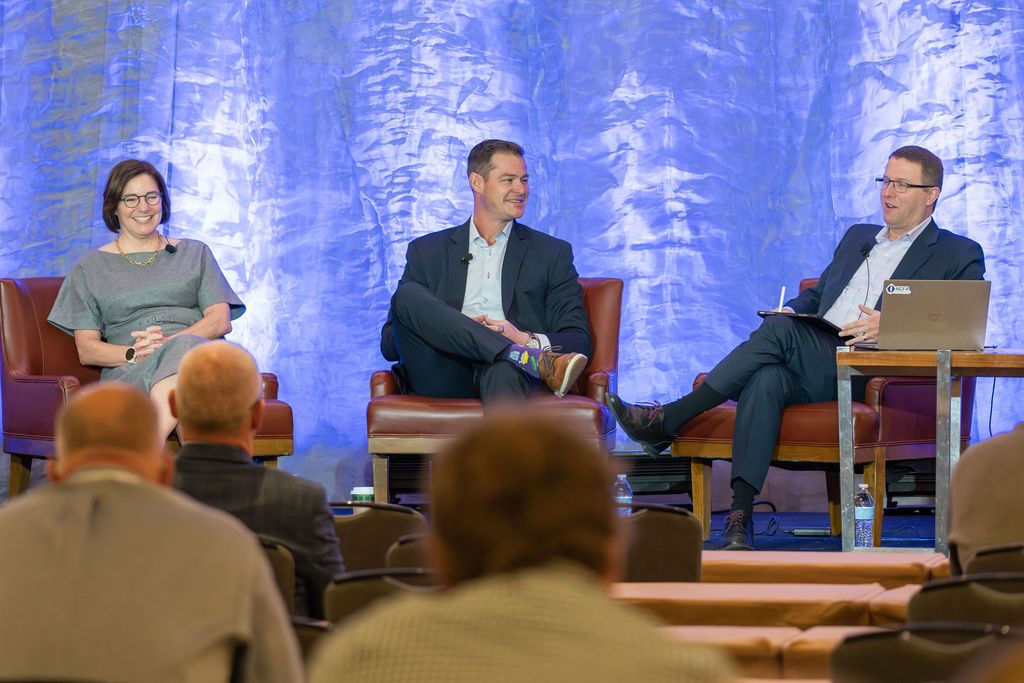
Devin attended the National Grain and Feed Association (NGFA) Country Elevator Conference in Indianapolis, Indiana. Engaging with industry leaders on key issues affecting the grain, feed, and oilseed sectors. Discussions focused on food policy, biofuel market dynamics, and supply chain collaboration to support a resilient and competitive U.S. agricultural economy.
|
|
As 2025 comes to a close, we want to extend our heartfelt thanks to all of our members for your continued partnership, dedication, and support throughout the year. Together, we’ve navigated challenges, celebrated policy wins, and advanced the interests of U.S. farmers, processors, and the broader oilseed industry. From everyone at NOPA, we wish you a Merry Crush-mas and a Happy New Year—and we look forward to continuing to work around the clock to deliver a strong, prosperous 2026 for our industry.
|
|